IoT Innovations:
Transforming Industries and
Revolutionizing Connected Technology
Key Topics Covered
-
Introduction to IoT Innovations
Discover how IoT innovations are reshaping technology and industries. -
Smart Homes: The Rise of Connected Living
Explore how IoT is automating homes for convenience and efficiency. -
IoT in Healthcare: Transforming Patient Care
Learn how IoT devices are revolutionizing healthcare with real-time monitoring. -
IoT in Manufacturing and Industry 4.0
Understand how IoT drives efficiency and innovation in manufacturing. -
Energy Management with IoT
Discover how IoT optimizes energy consumption and promotes sustainability. -
Retail: Redefining Customer Engagement
See how IoT enhances shopping experiences and streamlines operations. -
The Future of IoT: Trends to Watch
Explore the emerging trends shaping the future of IoT technology.
Introduction to IoT Innovations
The Internet of Things — or IoT for short — is changing how industries work in ways we couldn’t have imagined a few years ago. It’s helping businesses run smarter, making customers happier, and even opening up new ways to earn. These days, IoT is pretty much at the heart of our connected world, linking up devices, systems, and people so everything runs more smoothly. Whether it’s streamlining how companies operate or just making daily life easier, IoT’s possibilities seem endless. You only have to look at how fast it’s catching on in places like healthcare, manufacturing, and retail to see how big a deal it is.
Smart Homes: The Rise of Connected Living
If you want to see IoT in action, just look around your house. Smart home tech is probably the most obvious example. Stuff like smart thermostats, voice-controlled assistants, and lights you can adjust from your phone are changing how we interact with our living spaces. And let’s be real — most of this works because of mobile apps. Those apps pull everything together, giving you a simple way to control and keep an eye on your devices.
What’s cool is you don’t have to be home to stay in control. You can switch off the lights, check the security cameras, or see how much power you’re using — all from your phone. These mobile apps are a big reason why smart homes feel so easy and practical these days. They’re also a glimpse of where mobile app development is headed.
And here’s the bonus: these gadgets aren’t just about making life easier. They collect useful info too. A smart meter, for example, can track how much energy you’re using and give tips on how to cut back and save a few bucks. As IoT gear keeps getting cheaper and easier to get, expect smart homes to become even more common.
IoT in Healthcare: Transforming Patient Care
You’ve probably noticed — technology’s finding its way into just about everything these days, and healthcare’s no exception. The whole idea behind IoT — the Internet of Things — is a big part of that. And it’s not just about having fancy gadgets for the sake of it. It’s about making life easier for patients and giving doctors and nurses better tools. You’ve seen it — smartwatches, fitness bands, those medical wearables that keep an eye on your heart rate, your oxygen levels, how you sleep. People can track their health as it happens. And it’s not just for them — their doctors get that info too, which helps them make smarter calls.
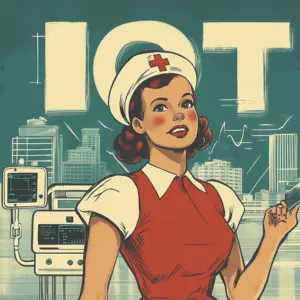
Then there’s the remote stuff. IoT lets doctors keep an eye on patients from afar. Think about folks managing diabetes — instead of running to the clinic all the time, they can track their blood sugar at home and share it right away. That’s a lifesaver for people who live far from hospitals. And it all connects with apps that pull the info together and send it where it needs to go without a ton of hassle.
Inside hospitals? IoT’s helping behind the curtain too. Sensors keep track of supplies so staff don’t get caught short when they need something. Equipment? It tells the system when it needs maintenance so nothing breaks down in the middle of a busy shift. Even hospital beds these days are pulling their weight — tracking things like a patient’s vitals or movements and letting staff know if something doesn’t look right.
And here’s where it really gets useful: all that data helps spot issues before they turn into something serious. Maybe a patient’s heart rhythm starts acting up — the system gives a heads-up so doctors can jump in early, before things get worse.
It’s not just about the patients, either. Hospitals are using this tech to help everything run a little smoother. Take smart air systems — they help keep the place safe while cutting down on energy use at the same time.Staff wearables can warn about hazards or exposure to risky stuff before it becomes dangerous.
Of course, with all this comes the big job of keeping data safe. There’s a ton of sensitive info floating around, and protecting it is huge. That means locking it down with good encryption, controlling who sees what, and sticking to privacy laws like HIPAA so patients can trust their info’s safe.
Bottom line? IoT’s helping healthcare work smarter, faster, and more connected. And as it keeps mixing with AI and better mobile tech, it’s only going to get better at helping people get the care they need.
IoT in Manufacturing and Industry 4.0
Manufacturing’s come a long way — and IoT’s right in the middle of that change. People like to call it Industry 4.0 — basically the next wave of how we build things. The idea? Get machines, devices, and systems working together instead of running in their own little worlds. With IoT, everything’s connected. You’ve got sensors on equipment, in warehouses, in delivery trucks — all feeding info in real time about what’s going on.
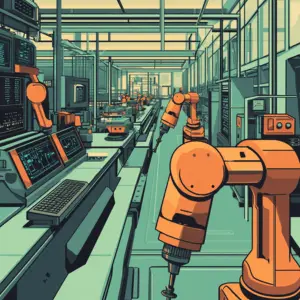
One of the biggest game-changers? Predictive maintenance. Instead of waiting for stuff to break down (and scrambling to fix it), factories can spot small problems before they turn into big ones. Maybe a machine’s making weird noises or heating up more than it should. The system catches it, so someone can step in before it becomes a disaster. That kind of heads-up saves money, keeps production moving, and cuts out a lot of stress.
But IoT doesn’t stop at the machines. It’s helping with supply chains too. You can track materials and products as they move, so there are fewer surprises. Some companies are even pairing IoT with blockchain — that way, they can trace where things came from and make sure everything’s on the up-and-up.
And then you’ve got smart factories — where robots, automation, and IoT work together. These systems can switch things up on the fly. Maybe demand shifts, or an order needs customizing — the setup can handle it without slowing down.
IEnergy’s another piece of the puzzle. IoT systems keep tabs on power use, spot waste, and help cut down bills while hitting sustainability goals. And with AI in the mix? That’s where the magic really kicks in. (If you’re curious how AI is reshaping online retail too, check out our piece on AI and the future of eCommerce.) AI sorts through all the data, finds patterns, and points out what could work better — whether that’s cutting waste, speeding up production, or solving problems you didn’t even know were there.
Oh — and don’t forget worker safety. IoT wearables like smart helmets or wristbands can flag hazards before they turn serious. That keeps people safer and helps businesses stay on the right side of safety rules. At the end of the day? IoT’s making manufacturing smarter, faster, and safer. And as more tech gets folded in — like AI and robotics — it’s only going to get more powerful.
Energy Management with IoT
Let’s face it — everyone’s looking for smarter ways to use energy these days. And IoT? It’s right at the center of that push. Think about smart grids: they’re not just fancy power lines. With IoT in the mix, they can actually shift how energy flows in real time, depending on what’s needed. That helps make sure nothing’s wasted.
In our homes, it’s the little things adding up — like smart thermostats that learn your habits or energy monitors that help you see where you can cut back (and save a bit of cash while you’re at it).
Businesses? Same deal, just bigger. Factories, office buildings — they’re using IoT sensors to keep an eye on energy use and spot ways to be more efficient. That means lower bills and a smaller hit on the environment. As more people focus on sustainability, you can bet IoT’s going to be a bigger part of how we manage energy going forward.
Retail: Redefining Customer Engagement
Retail’s changing fast — and IoT’s one of the reasons why. Stores aren’t just about shelves and registers anymore. You’ve got smart shelves now, with sensors that know when stock’s getting low and can trigger reorders automatically. No more empty spots where your favorite snack should be.
It’s not just about keeping things in stock either. IoT teamed up with AI is making it easier for stores to predict what people are going to want — and have it ready.
And then there’s the stuff you notice as you shop — like beacons that send deals or reminders right to your phone as you walk by. It’s part of this whole “phygital” (physical + digital) retail thing that’s making shopping feel more personal. When stores get that mix right? People leave happy — and they’re more likely to come back.
The Future of IoT: Trends to Watch
So where’s IoT headed? Honestly, it’s all about how it connects with other game-changing tech. We’re talking AI, blockchain, and 5G — the kind of stuff that can take IoT from cool to seriously powerful. (See how IoT in smart cities is already making this a reality.).
AI’s going to help IoT systems get a lot smarter. Instead of just collecting data, they’ll actually learn from it and start making decisions on their own — no need for people to step in every time.
Then there’s blockchain. It’s not just for crypto — it could help make IoT networks way more secure and transparent, which is huge when you’ve got all these devices talking to each other.
And 5G? That’s what’s going to give IoT the speed and bandwidth to really take off. With 5G, we’re looking at the kind of connection that can handle billions of devices doing their thing at once.
You’ll really see all this come together in smart cities. Imagine IoT helping with everything from traffic lights that adjust in real time to smarter ways to handle trash pickup. The goal? Cities that run smoother and are easier on the planet.

Partner with an AI Content Creator & SEO Specialist
If you’re seeking a detail-oriented professional who combines creativity, data-driven strategy, and technical skill to deliver exceptional digital content—your search ends here.
My name is Genny Allison, and through Allison Stock Inc., I specialize in AI-powered content creation and SEO-focused website development. Using advanced tools such as ChatGPT, MidJourney, Figma, and Uizard, I craft optimized content and designs that align with both search engine standards and user experience expectations.
My portfolio showcases how I blend innovation with strategy to create high-performing, visually engaging, and accessible websites. Each project reflects a deep understanding of SEO best practices, AI-assisted workflows, and the importance of performance, responsiveness, and clarity in modern web design.
Connect with me on LinkedIn , explore my portfolio, or visit my contact page to see how I can help bring your vision to life.